

Picture this: A potential customer lands on your online store at 2 AM, excited about your products. They have a burning question about sizing or shipping, but your team is asleep. They wait… and wait… then abandon their cart forever. This scenario plays out thousands of times daily across e-commerce sites, costing businesses an estimated $75 billion annually in lost sales, according to Forrester Research.
The harsh reality is that modern consumers expect instant responses. In fact, 82% of customers expect an immediate response to sales or marketing questions, yet most small-to-medium e-commerce stores simply can’t staff 24/7 customer service. This creates a frustrating gap between customer expectations and business capabilities.
But what if you could provide personalized, intelligent responses around the clock without hiring additional staff or learning complex programming? The solution lies in creating a custom chatbot tailored specifically to your store’s products and policies. And the best part? You can build one without writing a single line of code.
Choosing the Right No-Code Chatbot Platform

The foundation of your chatbot journey begins with selecting the right platform. Several no-code solutions have emerged that cater specifically to e-commerce needs. Platforms like ManyChat, Chatfuel, and Botsify offer intuitive drag-and-drop interfaces that make bot creation accessible to anyone.
When evaluating platforms, consider integration capabilities first. Your chatbot needs to connect seamlessly with your existing e-commerce infrastructure. Look for platforms that offer native integrations with Shopify, WooCommerce, or Magento. Some platforms even provide direct API connections to your product catalog, enabling real-time inventory checks and pricing updates.
Beyond basic integrations, assess the platform’s AI capabilities. Modern e-commerce chatbots should understand natural language, handle multiple conversation threads, and learn from interactions. The most sophisticated platforms use machine learning to improve response accuracy over time. For instance, if customers frequently ask about vegan-friendly products, the bot should automatically categorize and respond to such queries without explicit programming.
Training Your Chatbot to Think Like Your Best Sales Associate
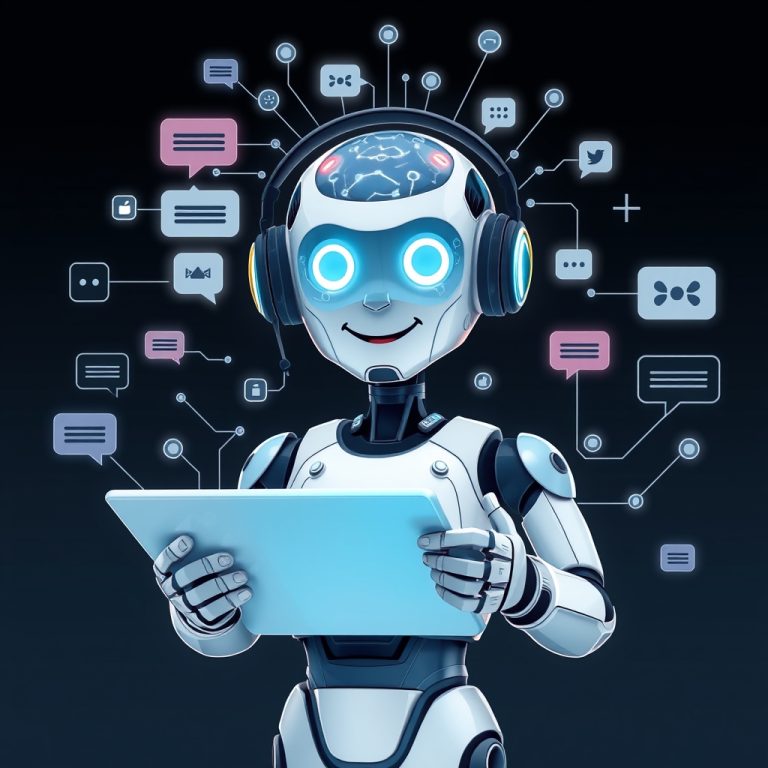
The magic of a custom chatbot lies in how well it represents your brand voice and product knowledge. Start by documenting your most common customer inquiries. What questions do your support tickets reveal? What are the top five reasons customers contact you? This FAQ foundation becomes your chatbot’s knowledge base.
Next, create conversation flows that mirror natural human interactions. Instead of rigid question-answer pairs, design branching conversations that feel organic. For example, when a customer asks about returns, your bot should first clarify the purchase date, then explain your policy, and finally offer alternatives like exchanges if the item is beyond the return window.
Don’t forget to inject personality into your bot. If your brand is playful and casual, your chatbot should reflect that tone. Train it with product-specific language and insider knowledge that only your team would know. This level of customization transforms a basic automated responder into a genuine brand ambassador that can handle up to 80% of routine customer inquiries.
Connecting Your Chatbot to Real E-commerce Data
A truly powerful e-commerce chatbot doesn’t just answer questions—it accesses live data to provide accurate, contextual responses. This is where many DIY chatbot attempts fall short. Your bot needs to pull information directly from your store’s backend.
Start with product information. Configure your chatbot to access your product catalog, including descriptions, specifications, availability, and pricing. When customers ask about a specific item, the bot should be able to confirm whether it’s in stock, suggest similar alternatives if it’s sold out, and even provide sizing recommendations based on customer-provided measurements.
Order tracking represents another critical data connection. Customers frequently inquire about their order status, and your chatbot should be able to retrieve this information instantly. By integrating with your shipping carrier’s API, the bot can provide real-time tracking updates, estimated delivery dates, and even proactively notify customers about delays or issues with their shipment.
Measuring Success and Optimizing Performance
Building your chatbot is just the beginning. To maximize its impact, you need to track performance metrics and continuously optimize. Key performance indicators include response accuracy, customer satisfaction scores, and most importantly, conversion rates for conversations that lead to sales.
Most advanced chatbot platforms provide analytics dashboards showing conversation volumes, common query types, and where users drop off in conversation flows. Use this data to identify knowledge gaps. If you notice repeated questions about a topic your bot can’t answer, it’s time to expand its training.
Consider implementing A/B testing for different conversation approaches. Does a more detailed product recommendation flow convert better than a quick suggestion? Test various greeting messages, response lengths, and even the timing of when your bot offers human agent escalation. The most successful e-commerce chatbots continuously evolve based on real customer interactions and conversion data.
The Future of E-commerce Customer Service
As artificial intelligence continues advancing, the line between human and automated customer service will blur even further. Already, next-generation chatbots can understand context, detect customer sentiment, and even recognize when someone is becoming frustrated and needs immediate human attention.
The most forward-thinking e-commerce businesses are already preparing for this shift. They’re building chatbot systems that don’t just answer questions but actively guide customers through the entire shopping journey—from product discovery to post-purchase support. These intelligent assistants can remember previous interactions, understand individual preferences, and provide truly personalized shopping experiences at scale.
The question isn’t whether you should implement a chatbot, but how quickly you can get one working for your store. With no-code platforms making implementation easier than ever, businesses that delay risk falling behind competitors who are already providing 24/7 intelligent customer service. Your customers are shopping at all hours—isn’t it time your store started responding accordingly?

