

When Sarah, owner of a boutique fitness studio, realized her clients were missing classes because they couldn’t easily check schedules on mobile, she faced a dilemma. Hiring a developer would cost thousands she didn’t have, yet her business was losing $2,000 monthly in missed bookings. This scenario plays out daily across small businesses – the need for digital solutions colliding with budget constraints.
Traditional app development typically requires $30,000-$150,000 and 3-6 months, putting custom solutions out of reach for most small businesses. But here’s the game-changer: no-code platforms have democratized app development, allowing entrepreneurs to create functional applications for under $500 and launch in weeks instead of months.
The global no-code development platform market is projected to reach $30.5 billion by 2027, growing at a CAGR of 26.1%. This explosive growth reflects a fundamental shift in how businesses approach digital transformation. No longer do you need computer science degrees or massive budgets to solve real business problems through technology.
Choosing the Right No-Code Platform for Your Business Needs

Not all no-code platforms are created equal, and selecting the wrong one can waste months of effort. The key is matching the platform’s strengths to your specific business requirements. For customer-facing apps with complex workflows, platforms like Adalo or Glide excel at creating polished, native mobile experiences. Meanwhile, internal business tools often work better with Bubble or Webflow, which offer deeper customization for web-based applications.
Consider this: a restaurant owner building a reservation system needs different features than a consultant creating a client portal. The restaurant requires real-time availability, payment processing, and calendar integrations. The consultant needs document sharing, scheduling, and perhaps a knowledge base. Each use case demands different platform capabilities.
Before committing, test drive multiple platforms with your actual business data. Most offer free tiers or trials. Create a simple prototype of your core functionality – can you build your reservation system’s booking flow? Can you set up the client portal’s file upload feature? This hands-on experimentation reveals limitations before you invest significant time.
The Step-by-Step Process to Build Your First Business App
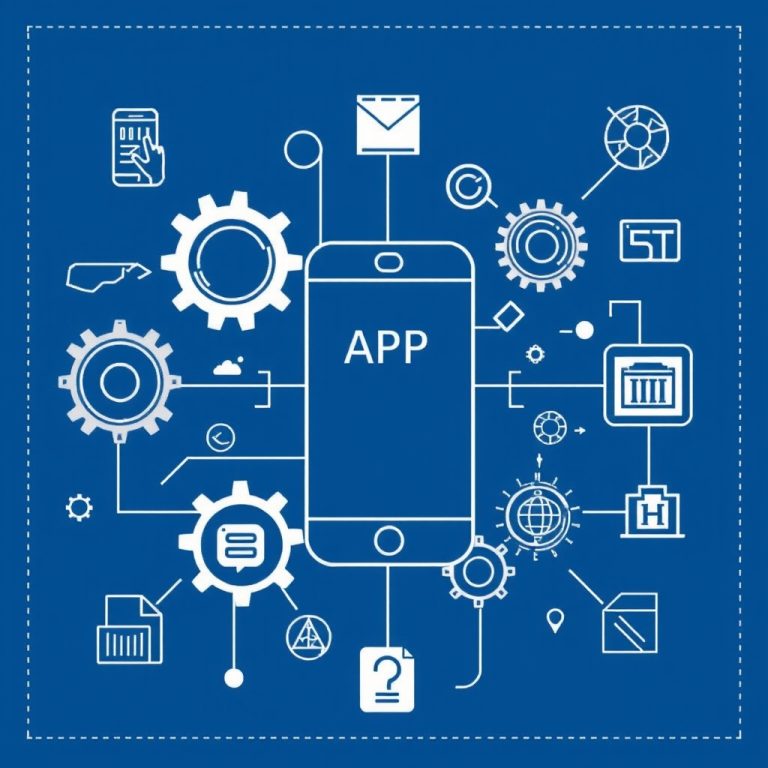
Starting with a clear blueprint dramatically increases your success rate. Begin by documenting every feature your app needs, then ruthlessly prioritize. What’s absolutely essential for version 1.0? What can wait for version 2.0? Most successful no-code apps launch with 3-5 core features rather than trying to replicate complex enterprise software.
Wireframing comes next – sketch your app’s screens on paper or using free tools like Figma. Map out the user journey: how will someone navigate from the home screen to completing their goal? For a fitness studio app, this might mean: home screen → class schedule → booking confirmation → payment → calendar integration. Each step needs careful consideration.
The building phase requires patience and iteration. Start with your core feature – for Sarah’s fitness studio, that was the class schedule with booking capability. Get this working perfectly before adding secondary features like workout tracking or nutrition tips. Most no-code builders offer templates and tutorials; leverage these rather than building everything from scratch. Remember, your first version doesn’t need to be perfect – it needs to solve a specific problem effectively.
Beyond the Build: Launching, Testing, and Iterating Your App
Launching your no-code app successfully requires more than just publishing it. Start with beta testing among your most loyal customers or team members. Gather specific feedback: what works, what confuses them, what features they wish existed. This feedback often reveals blind spots you missed during development.Consider the launch strategy carefully. For internal business tools, a phased rollout works best – start with one department, work out the kinks, then expand. For customer-facing apps, ensure you have support systems in place. Can users easily contact you with questions? Is there a help section built into the app? These details separate amateur apps from professional ones.
Post-launch iteration is where the real magic happens. Track usage metrics: which features do people use most? Where do they drop off? One fitness studio discovered their clients primarily used the app for booking morning classes – they optimized the interface for this specific use case and saw 40% higher engagement. Your app should evolve based on actual user behavior, not assumptions.
The Future of No-Code: What's Coming Next for Small Businesses
The no-code landscape is evolving rapidly, with AI integration becoming the next frontier. Imagine building an app where artificial intelligence suggests optimal workflows, automatically generates responsive designs, or even writes the business logic for you. Companies like Softr are already incorporating AI assistants that can build entire applications from simple text descriptions.
Integration capabilities are expanding too. Modern no-code platforms increasingly connect with thousands of other tools through APIs and webhooks. Your app can now automatically sync with accounting software, CRM systems, email marketing platforms, and more. This interconnectedness means your no-code app can become the central nervous system of your business operations.
The most exciting development? No-code is becoming genuinely enterprise-capable. What started as simple website builders now powers applications handling thousands of users, complex transactions, and sensitive data. As these platforms mature, the line between no-code and traditional development continues to blur. For small businesses, this means access to sophisticated tools that were previously available only to large corporations with substantial IT budgets.
The question isn’t whether your business needs a custom app – it’s whether you’ll build it yourself or pay someone else to do it. With no-code platforms, the power to solve your unique business challenges through technology has never been more accessible. Your next competitive advantage might be just a few clicks away.

