From Idea to Impact: How Tailored Software & Targeted Marketing Drive Real Results for SMBs

Imagine a small manufacturing firm that doubled its online orders in just six months—not by hiring a massive sales team, but by linking a custom inventory dashboard to automated email nurture sequences. That scenario isn’t fantasy; it’s the reality for the 68% of SMBs that, according to a 2025 Empowering SMBs study, saw revenue growth exceed 15% within a year after adopting tailored software.
In this article, we’ll walk through how bespoke applications and precision‑targeted marketing combine to turn ideas into measurable impact. You’ll learn the concrete benefits of custom solutions, see how marketing automation and account‑based marketing (ABM) amplify results, and get a step‑by‑step roadmap that balances low‑code speed with deep customization—all while keeping budget, privacy, and team adoption in mind.
By the end, you’ll have a clear framework to evaluate where your business stands, what to build or buy next, and how to prove the return on every dollar spent.
Why Tailored Software Beats Off‑the‑Shelf for SMB Growth
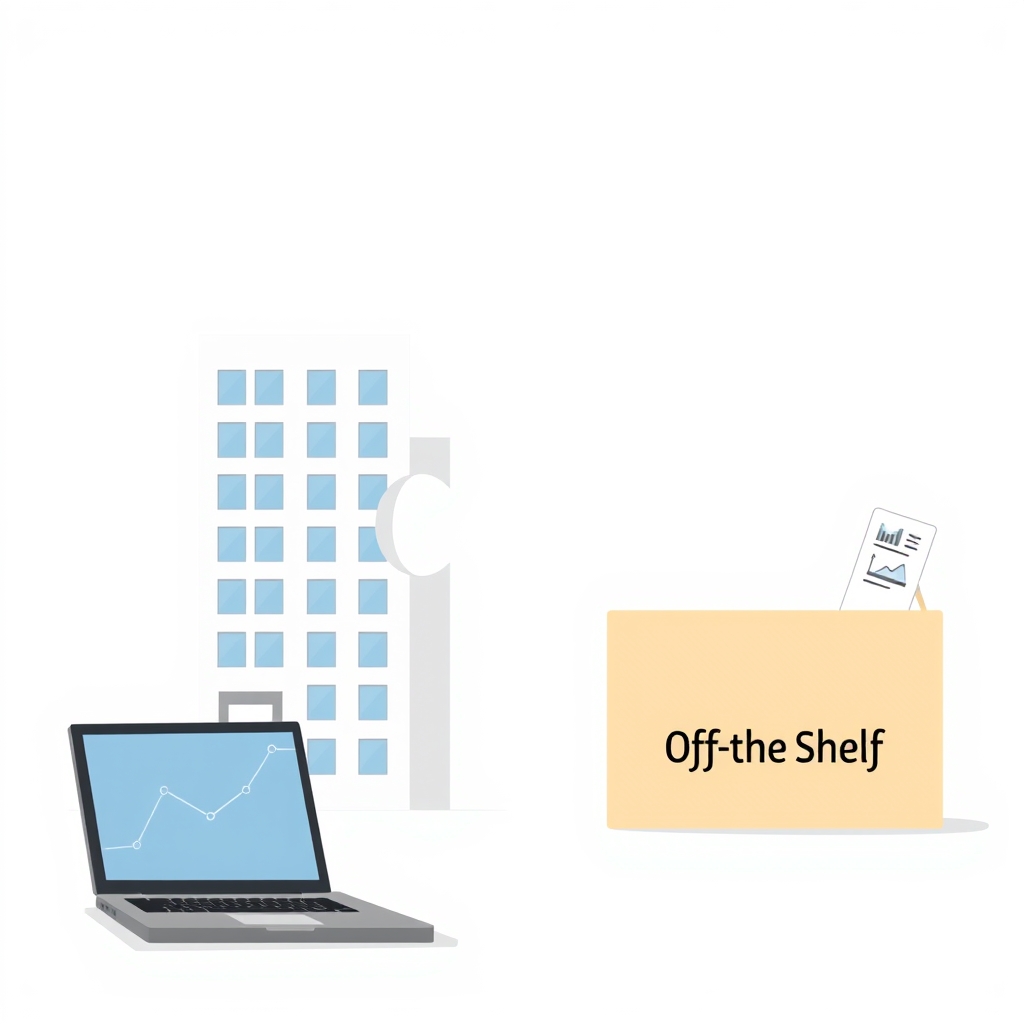
Off‑the‑shelf tools promise quick fixes, but they often force SMBs to adapt their workflows to rigid schemas, creating workarounds that erode efficiency. Tailored software, by contrast, is built around the exact processes that drive your value proposition—whether that’s a custom quoting engine for a specialty fabricator or a niche CRM that captures industry‑specific compliance fields.
Consider a regional landscaping company that replaced a generic project‑management suite with a custom web app integrating weather APIs, crew scheduling, and client approvals. Within three months, crew idle time dropped 22% and invoice‑to‑cash cycle shortened from 28 to 19 days. Those gains translate directly into higher margin and the capacity to take on more jobs without adding overhead.
The advantage compounds when the software is designed to evolve. A modular architecture lets you add features—like a AI‑powered image background remover for product photos—without a full system overhaul. This adaptability protects your initial investment and keeps the technology aligned with shifting market demands.
Marketing Automation & ABM: The Engine Behind Targeted Outreach
Even the best product stalls if the right prospects never hear about it. Marketing automation levels the playing field for SMBs by turning sporadic email blasts into coordinated nurture journeys. When a lead downloads a pricing guide, an automated sequence can deliver a case study, invite them to a demo, and alert a sales rep—all without manual intervention.
Account‑Based Marketing takes this precision further. Instead of casting a wide net, ABM focuses resources on high‑value accounts that match your ideal customer profile. A B2B SaaS provider, for example, used firmographic data and website‑behavior scores to identify 30 target accounts. By syncing their CRM with a marketing automation platform, they served personalized LinkedIn ads, sent tailored email sequences, and tracked engagement in real time. The result: a 38% increase in meeting‑set rate and a 19% boost in deal size compared to broad‑based campaigns.
Crucially, the technology stack must be “right‑sized.” Tools that integrate smoothly with existing CRM, email, and analytics platforms eliminate data silos and give both marketing and sales a single source of truth—exactly the alignment highlighted in the 2025 briefing as a key success factor for SMBs.
From Concept to Launch: A Practical Roadmap for SMBs
Adopting tailored software doesn’t have to mean a year‑long, six‑figure development project. A pragmatic roadmap blends low‑code/no‑code prototyping with traditional coding where it adds the most value.
- Define the outcome. Start with a measurable goal—e.g., reduce quote‑generation time from 45 minutes to under 10 minutes.
- Map the current process. Involve the people who do the work; capture pain points, decision points, and data handoffs.
- Prototype with low‑code. Use platforms like Microsoft Power Apps or Bubble to create a clickable mock‑up in days, validating assumptions with real users.
- Identify custom‑code gaps. If the prototype needs complex calculations, AI model integration, or deep security controls, plan those components for traditional development.
- Adopt an outcome‑based pricing model. Negotiate with vendors so fees tie to delivered KPIs (e.g., % reduction in processing time), aligning incentives.
- Plan change management. Schedule hands‑on training, create quick‑reference guides, and appoint “champions” within each team to drive adoption.
This phased approach lets SMBs see early wins, build internal confidence, and scale investment only after proving value—addressing the budget and vendor‑selection concerns that often stall projects.
Measuring Success, Avoiding Pitfalls, and Looking Ahead
Impact is only real when you can measure it. Define baseline metrics before launch—such as lead‑to‑opportunity conversion rate, average order processing time, or customer‑support ticket volume—and track the same indicators post‑implementation. A simple dashboard that pulls data from your ERP, CRM, and marketing automation tool can show a clear before‑and‑after picture.
Common pitfalls include underestimating data‑privacy obligations and overlooking staff readiness. When using customer data for targeted marketing, ensure your solution supports GDPR and CCPA compliance—features like consent‑management, data‑minimization, and audit logs are no longer optional. Likewise, invest in change‑management early; a 2025 survey found that SMBs that allocated at least 10% of their software budget to training saw 30% higher adoption rates after three months.
Looking forward, three trends will shape the SMB landscape: AI‑augmented low‑code platforms that let non‑developers train models directly in the app builder; outcome‑based pricing becoming standard as vendors compete on performance; and sustainability‑focused software choices—like energy‑efficient cloud regions or code‑optimization practices—becoming a differentiator in brand perception.
By aligning tailored technology with data‑driven, privacy‑first marketing, SMBs can move from idea to impact with predictable, scalable results.
Conclusion: Turning Insight into Action
The evidence is clear: custom software that mirrors your unique workflows, paired with laser‑focused marketing automation and ABM, drives measurable efficiency gains and revenue growth for SMBs. Start small, validate quickly, and let each success fund the next iteration.
Take the first step today—map one core process, sketch a low‑code prototype, and set a concrete KPI you’ll track over the next 90 days. The journey from idea to impact begins with a single, intentional decision.
}]}}{
Writes guides and product notes for Bytesweavers.